Understanding the Importance of an EPC for Your Property: What You Need to Know
A comprehensive guide explaining what an EPC is, why it’s needed, how it’s assessed, and the legal requirements.
Understanding Energy Performance Certificates
If you’re a property owner or looking to become one, you’re likely to encounter the term “Energy Performance Certificate” or EPC. An EPC is not just another piece of paperwork; it’s a fundamental tool that evaluates the energy efficiency of a building. This certificate gives you a clear view of your property’s current and potential energy performance, which is crucial whether you’re selling your house, renting out a property, or simply aiming to improve your home’s energy efficiency.
If you’re selling, renting, or buying a property, your Energy Performance Certificate (EPC) is a legal requirement, and it’s a key part of you and potential buyers and sellers understanding your property’s energy efficiency, running costs, and environmental impact. At EPC Bright, we make the process simple, fast, and reliable.
As a trusted EPC provider, we help property owners, landlords, and estate agents stay compliant while identifying practical ways to improve energy performance and add value. Our guide explains everything you need to know about EPCs and why choosing EPC Bright makes all the difference. Call us today on 0117 203 4329, or visit our contact us page to book your EPC, or ask any questions..
What is an EPC?
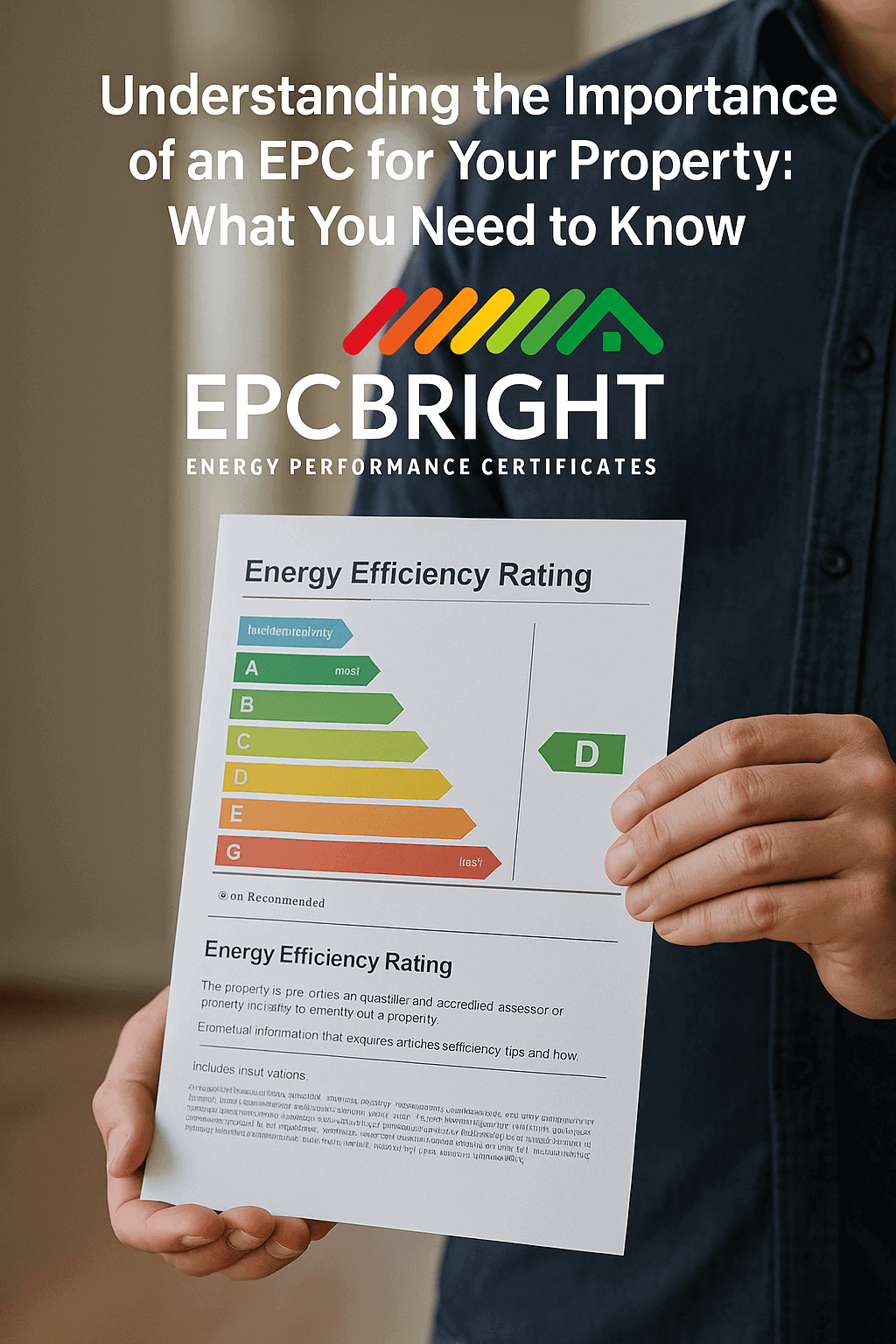
An Energy Performance Certificate (EPC) provides a rating of a property’s energy efficiency from A (most efficient) to G (least efficient). This rating is established by a Commercial or Domestic Energy Assessor and considers standard elements such as insulation, heating systems, and domestic energy consumption patterns. The certificate also recommends measures that could help boost your energy efficiency, making it a valuable resource for anyone interested in property improvements.
Why Do You Need an EPC?
Under UK property legislation, an EPC is a legal requirement if you are selling or renting out a property. This certificate ensures that potential buyers or tenants are well-informed about the property’s energy efficiency. Higher EPC ratings often enhance property appeal because they indicate lower energy bills, which is a significant selling point for environmentally conscious buyers and tenants.
How is EPC Calculated?
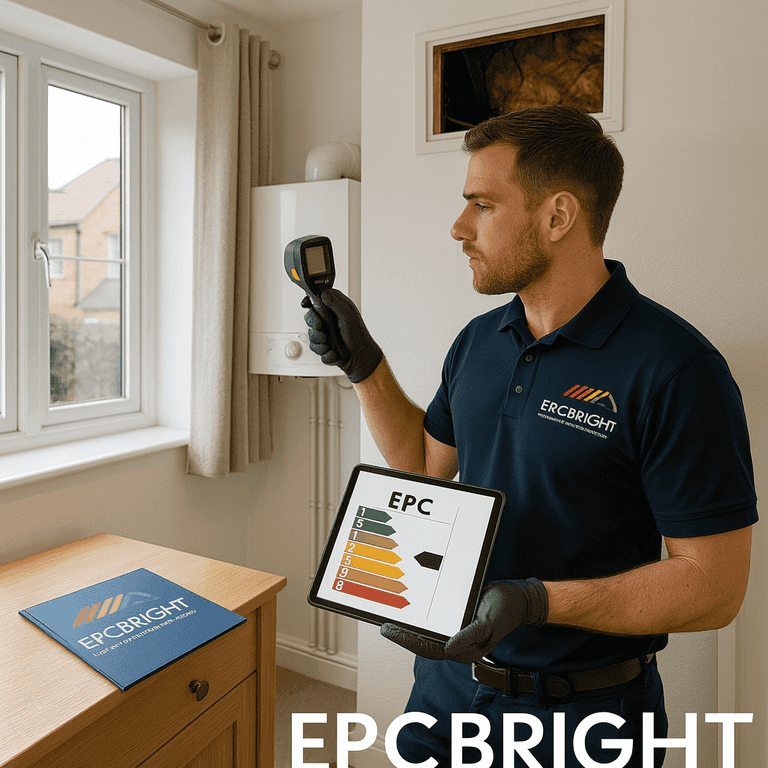
The EPC assessment involves a thorough inspection by a qualified assessor who examines key areas contributing to energy usage. Factors like wall and loft insulation, heating systems, window glazing, and lighting are all considered in the calculation. The assessor’s findings are then compiled into an EPC report, which includes the EPC certificate showing the final energy rating.
Who Can Issue an EPC?
Only an accredited Domestic Energy Assessor can issue a valid Energy Performance Certificate. To ensure compliance, it’s essential to engage a qualified professional like EPC BRight, particularly when considering or preparing for a property sale or rental.
Understanding EPCs is critical for making informed decisions about property transactions, energy improvements, and adherence to regulations in the UK. Whether you’re in Bristol, Gloucestershire, or South Wales, having a clear understanding of Energy Performance Certificates enables you to manage your property efficiently and in alignment with current compliance standards.
Legal Requirements of an EPC in the UK
When managing a property transaction in the UK, understanding the legal requirements for an Energy Performance Certificate (EPC) is crucial. Whether you’re selling a house or renting out a property, you need to ensure you comply with the regulations concerning this certificate. The EPC provides insight into your property’s energy efficiency and aids potential buyers or tenants in making informed decisions.
Is an EPC a Legal Requirement?
In the UK, it is a legal obligation to have an EPC when you are selling or renting out a property. The certificate must be made available to potential buyers or tenants at the earliest opportunity. Without it, you risk facing fines, which can affect your transaction and potentially delay the sale or lease agreement. An EPC is also needed if you’re constructing a new building, as it helps future-proof the property in terms of energy efficiency and compliance with environmental regulations.
EPC Rules for Rental Properties
For landlords, the EPC certificate is not just a formality but a requirement under property legislation in the UK. As of April 2018, rental properties must achieve a minimum EPC rating of “E” for new tenancies. From April 2020, this rule extended to all existing tenancies, meaning you cannot legally rent out a property below this rating unless you have a valid exemption.
How Long Does an EPC Last?
An EPC is valid for 10 years from the date it is issued. It’s important to keep your certificate up-to-date, especially if you’re planning a sale or a new tenancy agreement. Both buyers and renters can consult the EPC register to view a property’s current registration status and rating, so maintaining compliance is vital for property owners.
Who Can Issue an Energy Performance Certificate?.
Only an accredited Domestic Energy Assessor like us at EPC Bright can issue an EPC. Our professionals are trained to conduct a thorough inspection and produce a report detailing the property’s energy performance. Ensuring your EPC is issued by a certified provider is essential to avoid penalties and ensure accuracy in your property’s assessment.
By understanding these legal requirements, you can ensure smooth property transactions and maintain compliance with UK property laws. If you’re in Bristol, South Wales, or Gloucestershire, engaging a local EPC provider like EPC Bright can help facilitate this process, offering reliable and knowledgeable insights into your property’s energy performance.
Get in touch with us today on 0117 203 4329, or visit our contact page to book your EPC.
The EPC Assessment Process
When you consider getting an Energy Performance Certificate (EPC) for your property, understanding the EPC assessment process can help ease any uncertainties you might have. Whether you’re selling a house or preparing a rental property, knowing what to expect during the EPC assessment is crucial for smooth property transactions and compliance with UK regulations.
What Happens During an EPC Assessment?
When you schedule an EPC assessment, a qualified Domestic Energy Assessor (DEA) will visit your property. This professional evaluates several aspects of your building that influence its energy efficiency. The assessor will inspect your property’s dimensions, age, construction materials, and existing thermal insulation levels. They’ll also look at your heating systems, hot water provisions, and any renewable energy sources you might have on-site.
The process is typically non-intrusive. For instance, the assessor might ask to see your loft insulation but won’t need to conduct any invasive procedures. The aim is to gather enough data to calculate your property’s energy performance accurately.
How is the EPC Calculated?
Once the assessment is completed, the DEA calculates your EPC rating using standardised software called the Reduced Data Standard Assessment Procedure (RdSAP). This procedure considers all the information gathered, creating a report that reflects how energy-efficient your property is.
Your EPC certificate will feature the property energy rating on a scale from A (very efficient) to G (inefficient). This rating is essential because it influences how buyers or renters perceive your property’s energy performance. A detailed EPC report will accompany the certificate, outlining potential energy-saving improvements you can implement.
What Affects an EPC Rating?
Many factors impact your property’s EPC rating. Insulation quality, window glazing type, and heating system efficiency play vital roles. Properties with outdated heating systems or inadequate insulation typically receive lower ratings, indicating potential for improvement. Conversely, homes with modern heating solutions and thorough insulation often achieve high-performance ratings.
Choosing the Right EPC Provider
When selecting an EPC provider, you must ensure they are certified and experienced. This guarantees accurate assessments and compliance with property legislation and UK standards. Opt for local EPC providers like EPS Bright, who understand regional requirements and can offer tailored advice to enhance your property’s energy efficiency.
Understanding the EPC assessment process enables you to prepare effectively, and whether you’re in Bristol, Swindon, or anywhere else in the South West, EPC Bright can help. We provide thorough and qualified assessments that will offer important information about your property’s energy performance, helping you achieve compliance and potentially boosting your property’s market value.
Benefits of a High EPC Rating
Securing a high Energy Performance Certificate (EPC) rating is increasingly vital for property owners across the UK. This document evaluates the energy efficiency of your home, affecting not just your environmental footprint but also your financial energy costs and comfort. If you’re selling or letting your property, understanding the advantages of a high EPC rating becomes even more critical.
Financial Advantages
A home with a high EPC rating typically incurs lower energy bills. These ratings range from ‘A’, being the most efficient, to ‘G’, which is the least efficient. If you’re a prospective buyer or tenant, a high EPC rating indicates reduced running costs, as your property will require less energy for heating, lighting, and hot water. On the selling front, properties with better EPC ratings tend to have higher market values. Energy efficiency is a convincing selling point, appealing to environmentally conscious buyers and those seeking long-term savings.
Legal and Compliance Benefits
For landlords, achieving a high EPC rating is crucial to comply with the UK’s EPC requirements. Since April 2018, any property being let out requires a minimum EPC rating of ‘E’, in accordance with the rental property rules in the UK. Non-compliance can result in fines, making it essential to focus on improving your property’s energy efficiency where necessary. EPCs are valid for ten years, so investing in upgrades can have a lasting impact.
Environmental Impact
Increasing your EPC rating can significantly reduce your carbon footprint. As homeowners, committing to energy-efficient practices contributes positively to the environment. This might involve installing energy-efficient appliances, ensuring adequate insulation, or considering renewable energy sources like solar panels. By taking these steps, you support the broader goals of reducing fossil fuel dependency and curbing greenhouse gas emissions.
Enhanced Comfort
A high EPC-rated home often promises improved living conditions. Efficient insulation and modern heating systems mean you maintain optimal temperatures year-round without excessive energy use. This improvement in home comfort can influence both your short-term experiences and long-term satisfaction with your property.
Ultimately, a high EPC rating benefits not only you and your property’s immediate value but also the environment and future-proofing requirements in property legislation. If you’re seeking expert guidance, contact EPC Bright at 0117 203 4329. We are trusted for our dedication to enhancing property energy ratings through comprehensive assessments, tailored advice, and EPC services.
Improving Your EPC Rating it.
Improving your Energy Performance Certificate (EPC) rating can significantly enhance the value, comfort, and sustainability of your property. Whether you’re preparing to sell, rent, or simply want to boost energy efficiency, there are various strategies you can implement to achieve a higher EPC rating. Understanding how you can influence this rating is crucial for meeting property compliance standards in the UK.
Evaluate Your Current EPC Report
Start by examining your current EPC report. This document highlights areas where your property excels and identifies where improvements are necessary. Key factors such as insulation levels, heating systems, and lighting affect your EPC rating, so it’s essential to assess these elements first. Look for specific recommendations included in the report that can guide your improvements.
An EPC is often viewed as a simple pass-or-fail document, but our experienced assessors know that the recommendations work best when they are considered alongside your property’s construction, age, and previous improvements. Two homes with similar EPC ratings can require very different approaches because factors such as solid walls, older roof structures, ventilation, or historic alterations influence which improvements are practical and cost-effective. In some cases, carrying out measures in the wrong order can reduce the overall benefit or create avoidable problems later. With more than 13 years of experience and over 20,000 EPC assessments completed, EPC Bright helps homeowners, landlords, estate agents, and commercial property owners understand which recommendations are likely to deliver meaningful long-term improvements rather than simply chasing a higher rating. Our practical approach enables property owners to make informed investment decisions based on how their building actually performs, not just what appears on the certificate.
Key Areas for Improvement
Insulation: Proper insulation is crucial to reduce energy loss. Consider upgrading your loft and wall insulation to retain more heat in the winter and keep it cool in the summer.
Heating System: If your boiler is older, think about replacing it with a modern, energy-efficient model. Installing smart thermostats can also optimise your heating system’s efficiency.
Windows and Doors: Double or triple glazing can significantly reduce heat loss, along with ensuring doors and windows are draught-proofed.
Renewable Energy: Incorporating renewable energy sources such as solar panels can not only improve your EPC rating but also lower your long-term energy bills.
Lighting: Switch to energy-efficient LED bulbs to enhance lighting efficiency in your property.
Energy-Efficient Appliances
Consider upgrading to energy-efficient appliances if your existing ones consume more electricity. Look for appliances with high energy ratings, which can make a noticeable difference in your EPC assessment.
Professional Guidance from EPC Bright
Seeking professional guidance can streamline the process of improving your EPC rating. At EPC Bright, our experienced assessors can provide personalised recommendations tailored to your property’s specific needs. We cover Bristol, the South West, and South Wales. We are known for our detailed assessments and effective improvement suggestions. Our local knowledge and expertise ensure that you can efficiently achieve a higher rating, in compliance with UK property legislation.
Improving your EPC rating involves understanding the specific requirements of your property and implementing improvements. By focusing on the critical areas of energy efficiency and receiving professional support from EPC Bright, you can achieve a favourable EPC rating that benefits your property in many ways. Give us a call today at 0117 203 4329 to find out more.
EPC Bright’s Unique Approach
When considering an Energy Performance Certificate (EPC) for your property, it’s crucial to choose a provider that understands the nuances of energy efficiency assessments and can offer a transparent, tailored service. EPC Bright stands out among the EPC providers across Bristol, the South West, South Wales, Swindon, Cheltenham, and Gloucestershire.
We are unique in our approach, and that’s why trusting us with your property’s energy assessment is a wise choice.
Customer-Centric Service
EPC Bright prioritises your needs through our services. We understand that navigating EPC requirements in the UK can be daunting, especially with legal stipulations around selling or renting a property. Our team takes the time to explain each step of the EPC assessment, ensuring you know exactly what’s happening and why it’s important. This transparency demystifies the process and empowers you to make informed decisions about your property’s energy performance.
Local Expertise and Accessibility
Choosing a local EPC provider offers distinct advantages, from prompt service to an understanding of regional specifics and property legislation in the UK. EPC Bright leverages its connections within the communities of the South West, Bristol, and surrounding areas, providing services tailored to local conditions and regulatory requirements. Our regional expertise is invaluable for accurate EPC assessments and understanding property compliance needs.
Comprehensive Assessment Techniques
At EPC Bright, our assessments are comprehensive. Our expert EPC assessors use advanced methods to evaluate various aspects of energy efficiency in your home, ensuring that the resulting EPC report is detailed and reflective of your property’s true energy performance. Our meticulous approach delivers a reliable EPC rating as well as highlights specific areas for potential energy improvements, benefiting you as a homeowner or landlord in terms of both energy efficiency and property compliance.
Sustainable Solutions and Support
In addition to performing assessments, EPC Bright is committed to helping you improve your EPC rating through sustainable home improvements. Our assessors provide clear and practical recommendations aimed at enhancing your property’s energy efficiency while considering cost-effectiveness. Whether you need guidance on which improvements will make the most significant impact or assistance with understanding new EPC rules for rental properties, the team at EPC Bright can help.
When choosing EPC Bright, you’re not just getting an EPC provider; you’re securing a trusted advisor committed to improving your property’s energy performance and marketability. With our customer-focused approach, grounded in regional expertise and backed by a commitment to sustainability, the team at EPC Bright ensures you receive the best possible guidance and support throughout the EPC process.
Finding Your EPC Provider
When it comes to securing an Energy Performance Certificate, choosing the right EPC provider is important. Here is our straightforward guide to help you find a qualified EPC provider in your area.
Factors to Consider When Choosing an EPC Provider
Look for providers who are accredited to ensure they adhere to industry standards and regulations when conducting assessments. An accredited EPC provider will offer you an EPC certificate that genuinely reflects your property’s energy efficiency.
Consider the geographical reach of the provider. At EPC Bright, we focus on specific regions such as Bristol, the South West, South Wales, Swindon, Cheltenham, and Gloucestershire. Choosing a local EPC provider can lead to a faster and more personalised service.
Evaluate the experience and expertise of the assessor. Providers with seasoned domestic energy assessors will typically offer a more thorough EPC assessment. It’s worthwhile reading customer reviews or asking for recommendations to gauge the quality of past services delivered.
The Role of Cost and Speed
The cost of obtaining an EPC can vary based on the size and complexity of your property, but prices typically range between £60 and £120 in the UK. Ensure you receive a clear price upfront to avoid any hidden charges. While budget considerations are important, it’s also vital to balance cost with the quality and efficiency of the service provided.
Some providers promise quick turnaround times, which can be beneficial if you’re working to tight deadlines. However, make sure that the speed does not compromise the thoroughness of the EPC assessment and that they are accredited and legally compliant to fulfil it.
How EPC Bright Can Help
EPC Bright offers a distinctive approach by focusing on making the EPC process as straightforward and stress-free as possible for you. We provide tailored services that suit your specific needs, and with a team of experienced assessors, we ensure that your EPC rating accurately represents your property’s energy efficiency.
From your initial contact with us to the delivery of your EPC report, the EPC Bright team will carry out a thorough EPC check for you, providing you with a clear report at the end that is legally compliant. We are fully accredited, ensuring compliance with property legislation in the UK, and we combine our local expertise with competitive pricing, offering value without compromising on quality.
Whether you’re looking for an EPC for selling a house or ensuring compliance with rental property rules in the UK, the right provider is key. With EPC Bright, you can achieve compliance with confidence, securing a better value for your property whether you are buying, selling, or renting.
Call us at 0117 203 4329 and we can answer all the questions you have and book your EPC.
Everything You Need To Know About an Energy Performance Certificate (EPC)
An Energy Performance Certificate (EPC) is critical when it comes to buying, selling, or renting a property in the UK.
Understanding EPCs: What Property Owners Need to Know
If you’re a homeowner, landlord, or estate agent involved in selling, renting, or buying a property in the UK, understanding the role of an Energy Performance Certificate (EPC) is essential. This legal requirement ensures that property owners meet compliance standards while offering insight into the building’s energy efficiency rating, environmental impact, and Estimated Energy Costs.
An energy certificate is more than just a document. It includes a colour-coded EPC rating, ranging from A (most efficient) to G (least efficient), and is issued by an accredited assessor after an in-person visit. The EPC inspection process involves evaluating critical elements such as insulation, ventilation systems, heating systems, glazing, and any renewable energy installations like heat pumps. These components influence both the energy efficiency rating and your home’s Environmental Impact Rating, helping potential buyers or tenants make informed decisions.
Whether you’re marketing your home or letting out a rental property, having a valid EPC is a legal obligation. The certificate must be made available from the outset. For landlords, meeting the Minimum Energy Efficiency Standards (MEES) is not optional; it’s a condition for letting property legally and avoiding penalties.
Your EPC also provides a tailored energy report with practical energy-saving tips to improve your score and reduce your energy costs. This might include upgrading insulation, fitting more efficient ventilation systems, switching to LED lighting, or considering renewable energy installations like solar panels or air source heat pumps. Even small improvements can lead to noticeable reductions in energy costs and make a real difference to your property’s resale value.
If you’re selling your home, it’s a good idea to arrange an EPC certificate as soon as you can, as it enables you to understand if there are any improvements you need to make before you put your property on the market to sell or rent.
Costs for obtaining an EPC in the UK are generally affordable and vary depending on the size and type of property. Most assessments cost between £60 and £120. EPC Bright offers competitive pricing and delivers fast, reliable service using our team of trusted EPC inspectors who know the ins and outs of building regulation requirements.
A valid EPC lasts for 10 years. However, if you’ve recently made energy upgrades, installed renewable energy systems, or improved your insulation, you may want to get a new certificate to reflect your improved energy efficiency rating and help reduce the property’s environmental impact.
While the Government website allows you to view an existing EPC, using a dedicated provider like EPC Bright ensures you get a clear, thorough, and legally compliant certificate backed by expert advice. You don’t just receive a rating; you get insights, support, and guidance tailored to your property.
In summary, understanding your EPC and acting on its recommendations can help you reduce energy costs, boost your property’s value, comply with regulations, and reduce its environmental footprint.
How do I find a local EPC provider?
If you’re in the Bristol, South West, or South Wales areas, EPC Bright is a reliable local EPC provider. Our experienced domestic energy assessors are readily available to help you with an accurate assessment and guide you through improving your energy rating.
If you’re ready to get your property assessed or need more information about EPCs, get in touch with the team at EPC Bright today at 0117 203 4329. We offer a unique approach by focusing on clear communication and detailed assessments tailored to your specific needs, whether you’re in Bristol, Swindon, Cheltenham, Gloucestershire, or South Wales.
Understanding and complying with EPC requirements is essential for property transactions in the UK, and a high EPC rating brings many benefits. Contact EPC Bright today to schedule your assessment and ensure your property is up to standard.
Frequently Asked Questions (FAQs): EPC Bright and Energy Performance Certificates
1. How can I improve my EPC rating?
Improving your EPC rating can significantly add value and appeal to your property. You might consider:
Upgrading insulation in walls and lofts
Installing a more efficient heating system
Replacing older, draughty windows with double glazing
Switching to energy-efficient lighting
2. Why should I choose EPC Bright for my energy certificate?
EPC Bright offers fast, reliable, and competitively priced energy certificate services across the South West and South Wales. All our inspections are conducted by an accredited assessor who understands the nuances of building regulations, energy efficiency rating calculations, and how to maximise a property’s resale value when it comes to energy efficiency. Whether you’re a homeowner, landlord, or estate agent, we ensure your certificate meets legal standards and helps you make informed decisions.
3. How does EPC Bright help improve my property’s energy efficiency rating?
Our experienced EPC inspectors provide more than just a rating; they deliver energy-saving tips specific to your home. Every energy report includes guidance on how to raise your energy efficiency rating and reduce energy costs. We offer suggestions for upgrading insulation and ventilation systems, as well as exploring renewable energy installations such as heat pumps or solar panels.
4. Will I get advice on lowering energy costs with EPC Bright?
Yes. EPC Bright includes estimated energy costs in your energy report and offers practical advice on how to reduce them. We identify changes from simple insulation improvements to installing more efficient ventilation systems, solar, or heat pumps that can lead to lower long-term energy costs.
5. Is EPC Bright suitable for property owners and landlords?
Yes. Property owners and landlords rely on EPC Bright for accurate, compliant, and quick service. We help ensure compliance with the Minimum Energy Efficiency Standards (MEES), which are essential when renting or selling a property. Our inspection process is straightforward and designed to help you avoid delays or fines.
6. How does the EPC from EPC Bright show my property’s environmental impact?
Each certificate includes an Environmental Impact Rating, which measures your property’s carbon emissions and overall environmental impact. EPC Bright also provides guidance on reducing this impact through better energy use, including upgrades to ventilation systems and exploring renewable energy installations like heat pumps or solar panels if you need it.
7. What’s involved in the EPC inspection process with EPC Bright?
The inspection process involves a visit from one of our qualified EPC inspectors who will assess key elements like insulation, heating, ventilation systems, and any renewable energy installations. The assessment is non-intrusive and usually completed within an hour. The resulting energy report and energy efficiency rating are typically delivered within 24 hours.
8. Can EPC Bright provide certificates across the UK?
EPC Bright operates with a network of accredited assessors. Whether you’re working with an estate agent to sell your home or you’re a landlord managing multiple properties, we offer consistent, fast, and professional energy certificate services wherever you are in the UK.
9. How does EPC Bright compare to using the Government website?
While the government’s website lets you search for existing EPCs, it does not offer personalised services, guidance on improving your energy efficiency ratings, or support during the inspection process. EPC Bright provides expert customer service, quick turnaround times, and a tailored approach that helps you understand your energy report and take meaningful action.
If you want to improve the energy efficiency of your property and confidently fulfil all legal requirements, get in touch with the team at EPC Bright today. Whether you’re selling, renting, or simply looking to reduce your energy costs, EPC Bright is here to help.
Our accredited assessors provide fast, reliable Energy Performance Certificates with expert guidance every step of the way. Call us today on 0117 203 4329, or visit our contact page to book your EPC or ask any questions.